
By: Fahima Sharmin
Standing on the plain of Arafah is a life-altering experience that reshapes how a believer views prayer, supplication, and daily devotion. Returning home brings a fresh perspective on cultivating khushu’ (focus) and deepening one’s connection with Allaah.
📌 Key Takeaways
- Unshakable Yaqeen: Praying with total certainty opens doors even when human logic says otherwise.
- Balance Hope & Fear: Pair joy after worship with istighfar (seeking forgiveness).
- Mindful Devotion: Move wudu and daily prayer beyond automatic muscle memory.
- Longing for Prayer: Transform daily salah into the true “coolness of your eyes.”
1. Unshakable Confidence and Yaqeen in Dua
When travel restrictions in Bangladesh prevented unvaccinated children under 12 from traveling, human logic suggested I couldn’t go, as my kids (ages 2 and 6) depended entirely on me. However, holding absolute yaqeen (certainty) in supplication changes everything.
- Target High-Acceptance Times: Consistently make dua between the adhan and iqamah, during rain, and in the last hour of Friday.
- Hold Allaah to His Promise: Call upon Al-Mujib (The Responder) with full conviction that He never breaks His promise (إنك لا تخلف الميعاد).
- Anchor Your Faith: Trust that sincere prayers made on previous Arafah days will be honored.
“I learned to have complete yaqeen in dua from Shaykh Muhammad Ash Shareef. When you ask Allaah, pack your bags with full trust that He will answer.”
2. Balancing Hope and Fear (Raja and Khawf)
Completing Hajj brings immense joy, but it naturally instills a healthy fear: Was my worship accepted despite my shortcomings? Turning to the Qur’an provides clarity during these reflective moments:
Surah An-Nasr (110:3)
“Then exalt [Him] with praise of your Lord and ask forgiveness of Him. Indeed, He is ever Accepting of repentance.”
فَسَبِّحْ بِحَمْدِ رَبِّكَ وَاسْتَغْفِرْهُ ۚ إِنَّهُ كَانَ تَوَّابًا
After completing any major act of worship—whether Hajj, Ramadan, or charity—avoid viewing it as merely “checking off a box.” Combine gratitude with istighfar (seeking forgiveness) and voluntary deeds to compensate for any flaws.
3. Moving Worship Beyond Muscle Memory
During Hajj, pilgrims take extreme care to execute every ritual flawlessly. However, daily spiritual routines often lack that same precision:
- Mindful Wudu: Transition from performing ablution on autopilot to treating every step as a deliberate act of purification.
- Intentional Preparation: Bring the same focus and exactness reserved for Hajj rituals directly into everyday salah.
4. Cultivating a Deep Longing for Daily Salah
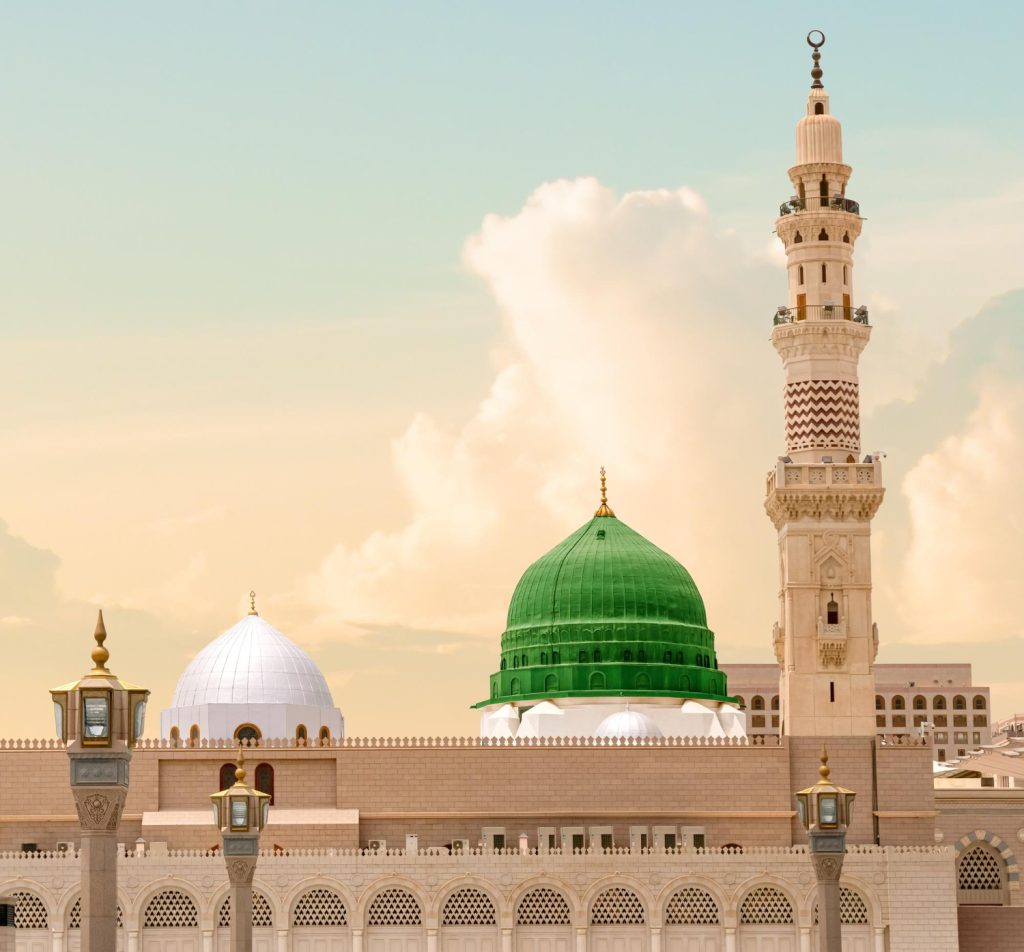
Leaving Makkah brings a profound sorrow and an intense desire to return to Allaah’s house. This longing mirrors how Prophet Muhammad ﷺ viewed prayer—as the true “coolness of his eyes.”
- Eager Anticipation: Move from finishing a prayer just to be done, to eagerly awaiting the next call to worship.
- Prioritizing the Sacred: Treat each daily prayer with the sacred urgency usually reserved for once-in-a-lifetime pilgrimages.
Gratitude and Final Thoughts
Alhamdulillaah for the invaluable lessons of this journey. May Allaah forgive all shortcomings and accept the efforts of every pilgrim.
Special gratitude goes to Shaykh Mohd Monzur E Elahi for his spiritually uplifting guidance throughout every step of Hajj, as well as Samiul, Saleh Bhai, Tareq Hussain, the Shepherds team, and Yeasin Nana for their support in bringing this dua to reality.
May Allaah accept from all of us.
ربنا تقبل منا إنك أنت السميع العليم